
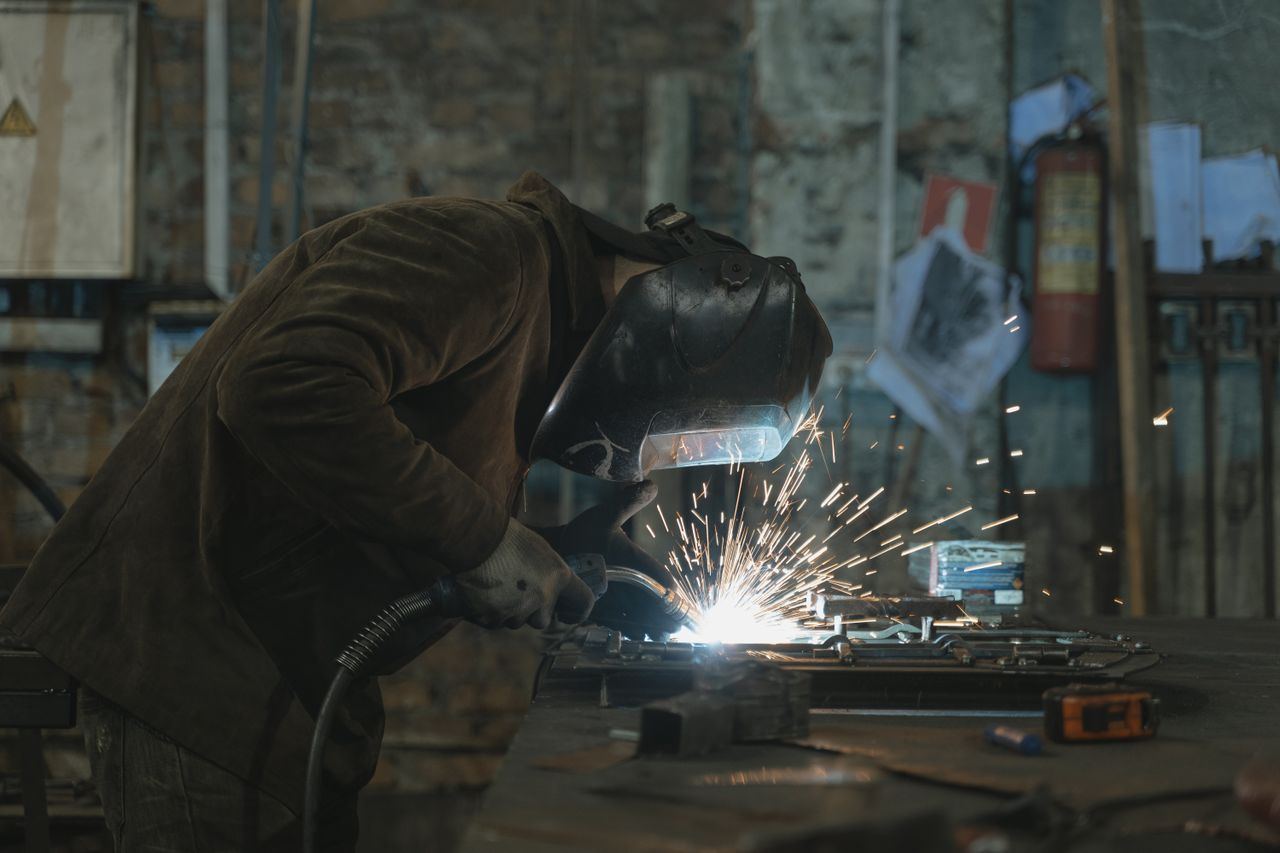
For many skilled trades — welding, electrical work, plumbing, machine operation — a trade test stands between you and a confirmed job offer. It's often the single most nerve-wracking part of the whole process, but it doesn't have to be a mystery.
What Employers Are Actually Looking For
A trade test isn't a trick — it's a practical check that your hands-on skill matches your CV. Assessors are typically looking at technique, safety awareness, and whether you can complete a task to a required standard within a reasonable time, not perfection under pressure.
Common Mistakes Candidates Make
- Rushing the task to finish quickly instead of working to the required standard
- Skipping safety steps (PPE, equipment checks) because they're focused on the technical task
- Not asking for clarification when instructions are unclear
- Showing up unfamiliar with the specific tools or equipment being used for the test
How to Prepare
If it's been a while since you've done hands-on work, a short refresher — even informally — makes a visible difference on test day. Familiarise yourself with the specific standard or certification the employer is testing against, since requirements can vary between countries and even between employers in the same industry.
On the Day
Arrive early, bring any tools or certificates you've been asked to bring, and treat the safety briefing as seriously as the task itself — assessors notice. If something is unclear, ask before you start rather than guessing partway through.
If You Don't Clear It the First Time
It happens, and it isn't necessarily the end of the road. Ask for specific feedback on what to improve, and where structured skill-gap training is available, use it before your next attempt rather than trying again unprepared.